

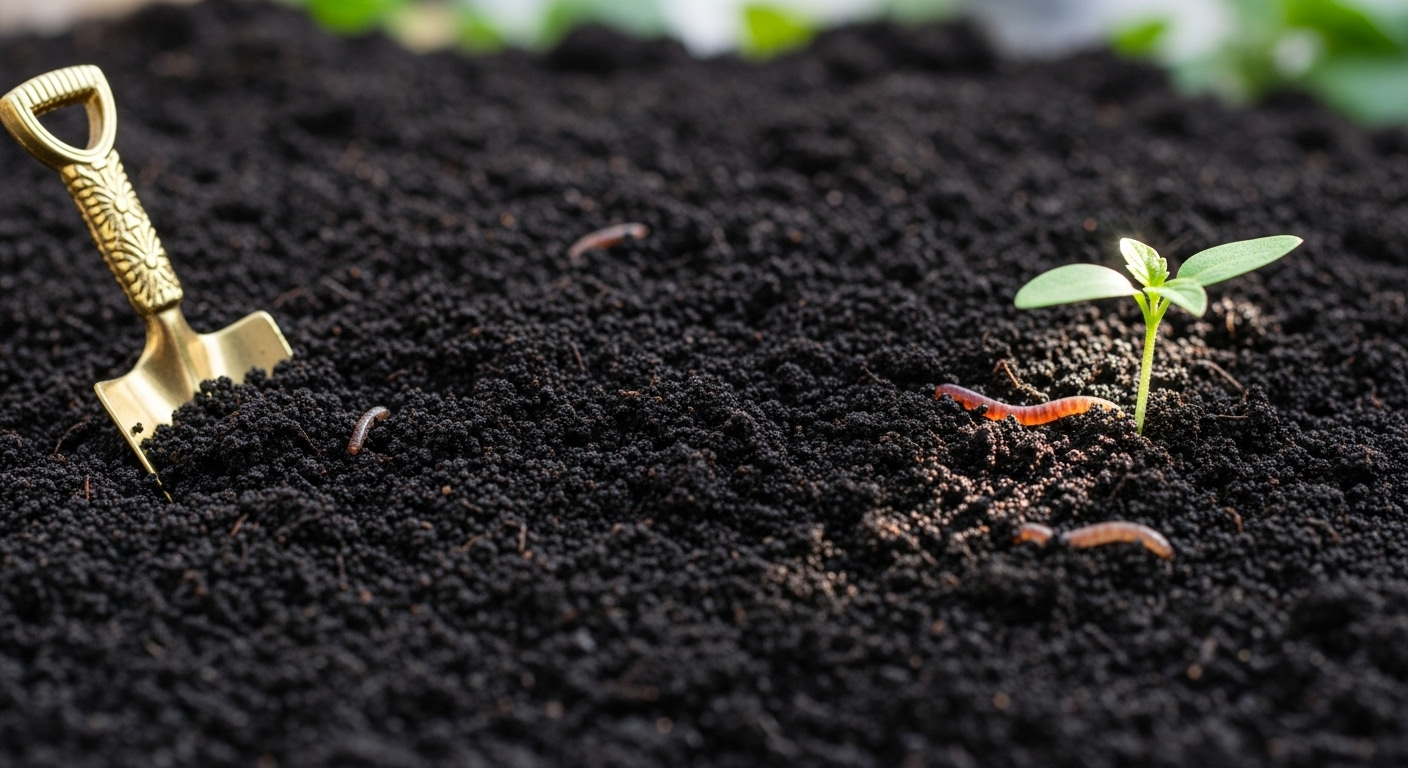
In the quest for sustainable and productive agriculture, we often look to the future for innovative solutions. However, one of the most effective methods for enriching our soil and boosting crop yields is a natural process that has been perfected over millions of years: vermicomposting. This process, which uses earthworms to decompose organic waste, creates a nutrient-rich organic fertilizer known as vermicompost, often called “black gold” by farmers and gardeners.
At Global Partnerss, we are committed to solutions that are both effective and environmentally sound. Organic vermicompost is a cornerstone of this philosophy, offering a wealth of benefits that enhance soil health, promote robust plant growth, and contribute to a more sustainable agricultural ecosystem.
1. A Powerhouse of Nutrients for Superior Plant Growth
Unlike synthetic fertilizers that provide a limited, concentrated dose of nutrients, vermicompost offers a complex and balanced diet for plants. It is rich in essential nutrients like nitrogen, phosphorus, and potassium, as well as crucial micronutrients such as magnesium and calcium.These nutrients are in a form that is readily available for plants to absorb, promoting healthier growth, stronger root development, and increased yields. Studies have shown that vermicompost can lead to a significant increase in crop yield and biomass.
2. Rebuilding and Restoring Soil Health
Healthy soil is the foundation of productive farming. Vermicompost plays a vital role in improving soil structure, creating a better environment for plant roots to thrive.
- Improved Soil Aeration and Porosity: The humus in vermicompost helps to bind soil particles, creating better aeration and preventing compaction. This allows roots to penetrate the soil more easily.
- Enhanced Water Retention: Vermicompost acts like a sponge, significantly improving the soil’s water-holding capacity. This reduces the need for frequent irrigation, conserves water, and makes plants more resilient to drought conditions.
- Thriving Microbial Life: Each handful of vermicompost introduces billions of beneficial bacteria, fungi, and other microorganisms into the soil. This rich microbial activity is essential for nutrient cycling and suppressing harmful plant pathogens.
3. An Environmentally Sustainable Choice
Choosing organic vermicompost is a step towards a more sustainable and eco-friendly agricultural model.
- Reduces Waste: Vermicomposting diverts organic waste from landfills, where it would otherwise decompose and release methane, a potent greenhouse gas.
- Decreases Reliance on Chemical Fertilizers: By naturally enriching the soil, vermicompost reduces the need for synthetic fertilizers. The overuse of chemical fertilizers can lead to soil degradation, water pollution, and a loss of beneficial soil microorganisms.
- Carbon Sequestration: Healthy, organic-rich soils act as carbon sinks, capturing and storing carbon dioxide from the atmosphere.
4. Promoting Plant Health and Disease Resistance
A healthy plant is naturally more resistant to pests and diseases. The beneficial microorganisms in vermicompost can help to suppress plant diseases and ward off pests. Furthermore, vermicompost contains plant growth-regulating hormones and humic acids that stimulate plant growth and improve overall health.
How to Use Vermicompost
The application of vermicompost is simple and versatile. It can be:
- Mixed with soil before planting to create a nutrient-rich foundation for seeds and young plants.
- Used as a top dressing around the base of existing plants, allowing the nutrients to filter down to the roots with watering.
- Brewed into a “compost tea,” a liquid fertilizer that provides a quick nutrient boost to plants.
The Global Partnerss Commitment
By embracing organic vermicompost, we are not just choosing a superior fertilizer; we are investing in the long-term health of our soil, the quality of our crops, and the sustainability of our planet. It represents a return to natural processes to solve modern agricultural challenges, ensuring that we can continue to produce healthy, abundant food for generations to come.