

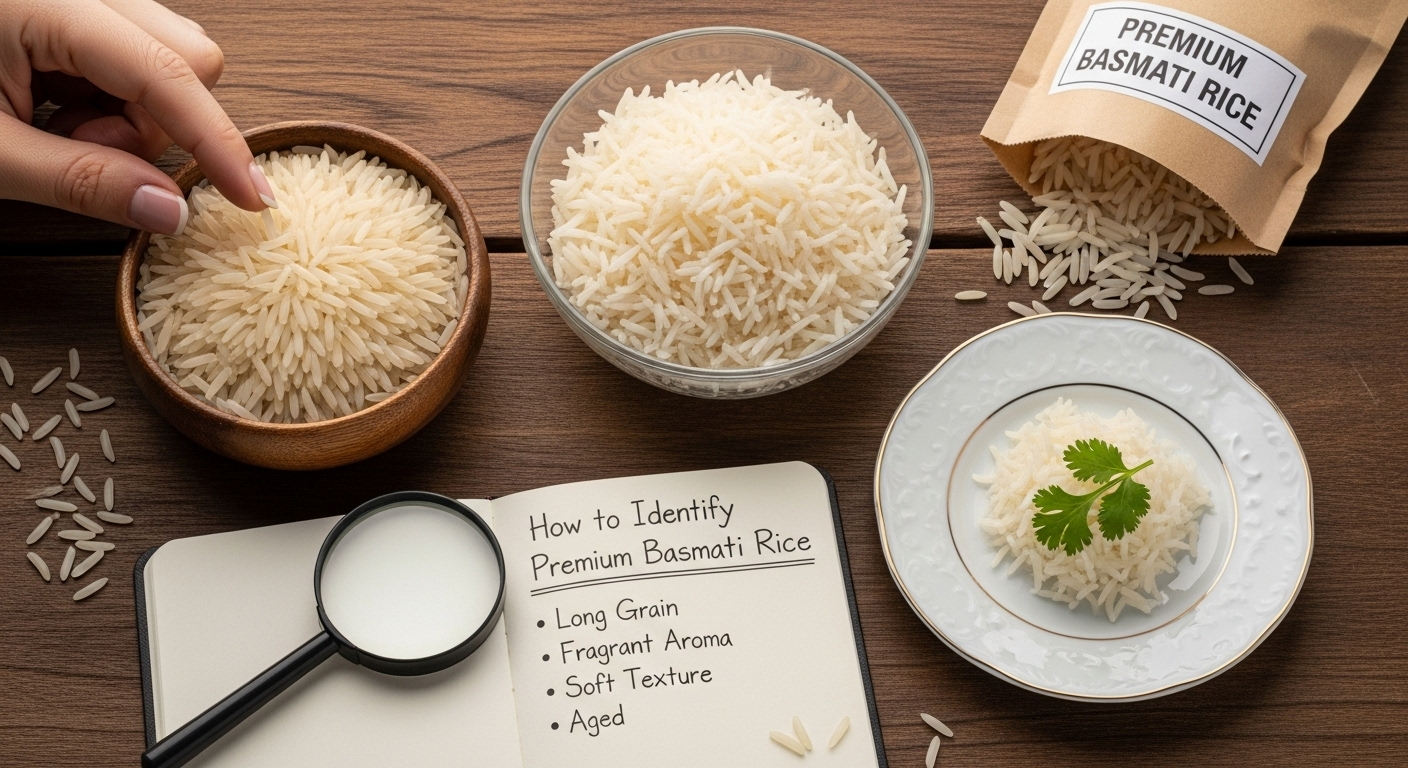
Basmati rice, often hailed as the “queen of fragrance,” holds a cherished place in kitchens and culinary traditions across the globe. Its unique nutty flavor, delicate texture, and captivating aroma make it the perfect canvas for a wide array of dishes, from the most elaborate biryanis to simple, fluffy steamed rice. However, not all Basmati is created equal. The market is flooded with numerous varieties, and telling a premium grain from a standard one can be a challenge.
At Global Partnerss, we believe in empowering our partners with knowledge. Understanding the hallmarks of authentic, high-quality Basmati is key to ensuring you get the exceptional experience this grain is famous for. Here’s your guide to identifying the very best.
1. Look at the Grain: Length, Shape, and Color
The first clues to quality are visible even before the rice is cooked.
2. The Signature Aroma: The Soul of Basmati
The Hindi word “Basmati” literally translates to “fragrant,” and for good reason.
- Uncooked Aroma: Open a bag of authentic Basmati, and you should be greeted by a delightful, natural aroma. This scent is often described as nutty, subtly sweet, or even popcorn-like.
- Cooked Fragrance: This beautiful aroma should intensify during the cooking process, filling your kitchen with its signature scent. If the rice has an artificial or overly perfumed smell, it may have been treated with synthetic fragrances.
3. The Transformation of Cooking: The True Test
The ultimate test of premium Basmati rice lies in its performance upon cooking.
- Remarkable Elongation: This is the most celebrated characteristic of true Basmati. The grains should elongate to nearly double their original length, expanding lengthwise rather than becoming plump or wide.
- Fluffy and Separate Grains: When cooked, the grains should remain separate, light, and fluffy.Premium Basmati is not sticky or starchy. This is due in part to the aging process which reduces moisture content.
- Texture: The cooked texture should be tender yet firm, with a slight springiness to the bite, never mushy or soft.
4. The Importance of Aging
Like fine wine, the best Basmati rice is aged. This process, which can last from one to two years, is crucial for developing its unique characteristics. Aging dehydrates the grains, which leads to:
- Enhanced Flavor and Aroma: The aging process intensifies the rice’s natural nutty and floral notes.
- Better Texture: Aged rice absorbs more water during cooking, resulting in longer, fluffier, and less sticky grains.
Your Partner in Quality
Identifying premium Basmati rice is a matter of engaging your senses—sight, smell, and ultimately, taste. By knowing what to look for in the grain’s appearance, its distinctive aroma, and its behavior when cooked, you can ensure you are selecting a product of superior quality.
At Global Partnerss, we stake our reputation on sourcing and supplying only the finest, authentic Basmati rice that meets every one of these exacting standards. Partner with us to bring the true “queen of fragrance” to your customers.